How to Choose the Right Construction Waste Container
A Practical Guide from the Manufacturer
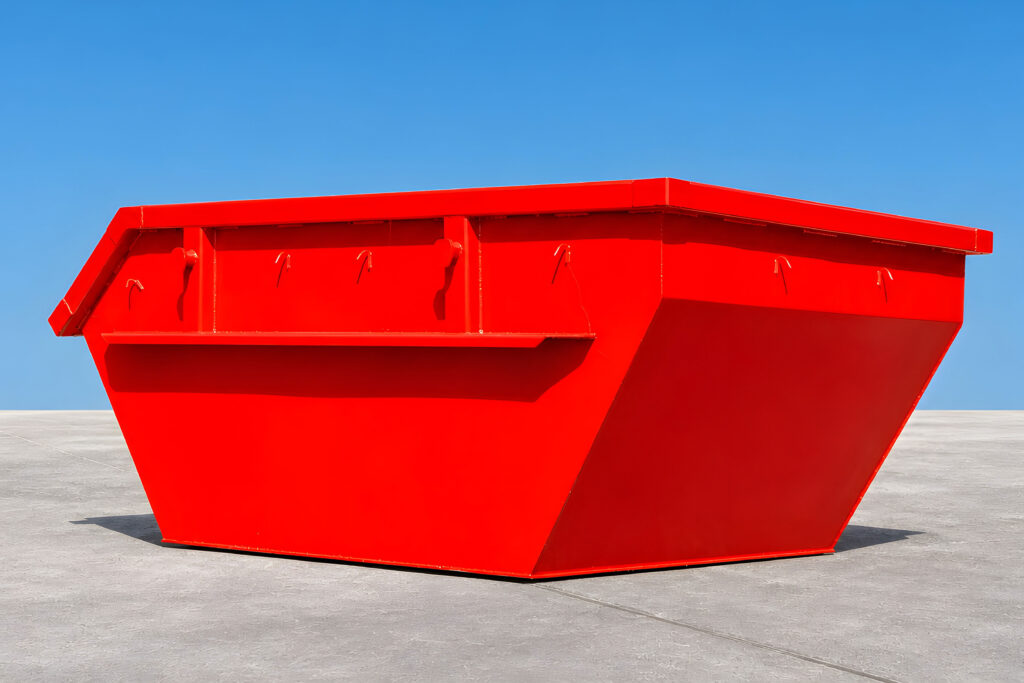
Home renovations or major construction always begin with enthusiasm and… an enormous amount of waste. We often plan new tiles or the color of the walls down to the smallest detail, but we leave the question of waste disposal for the very last moment. Choosing the wrong container, however, can cost you extra money, fines, or serious delays. In this article, we’ll show you how to select the right size and type of container for your needs.
1. Volumes and applications: Which size is right for you?
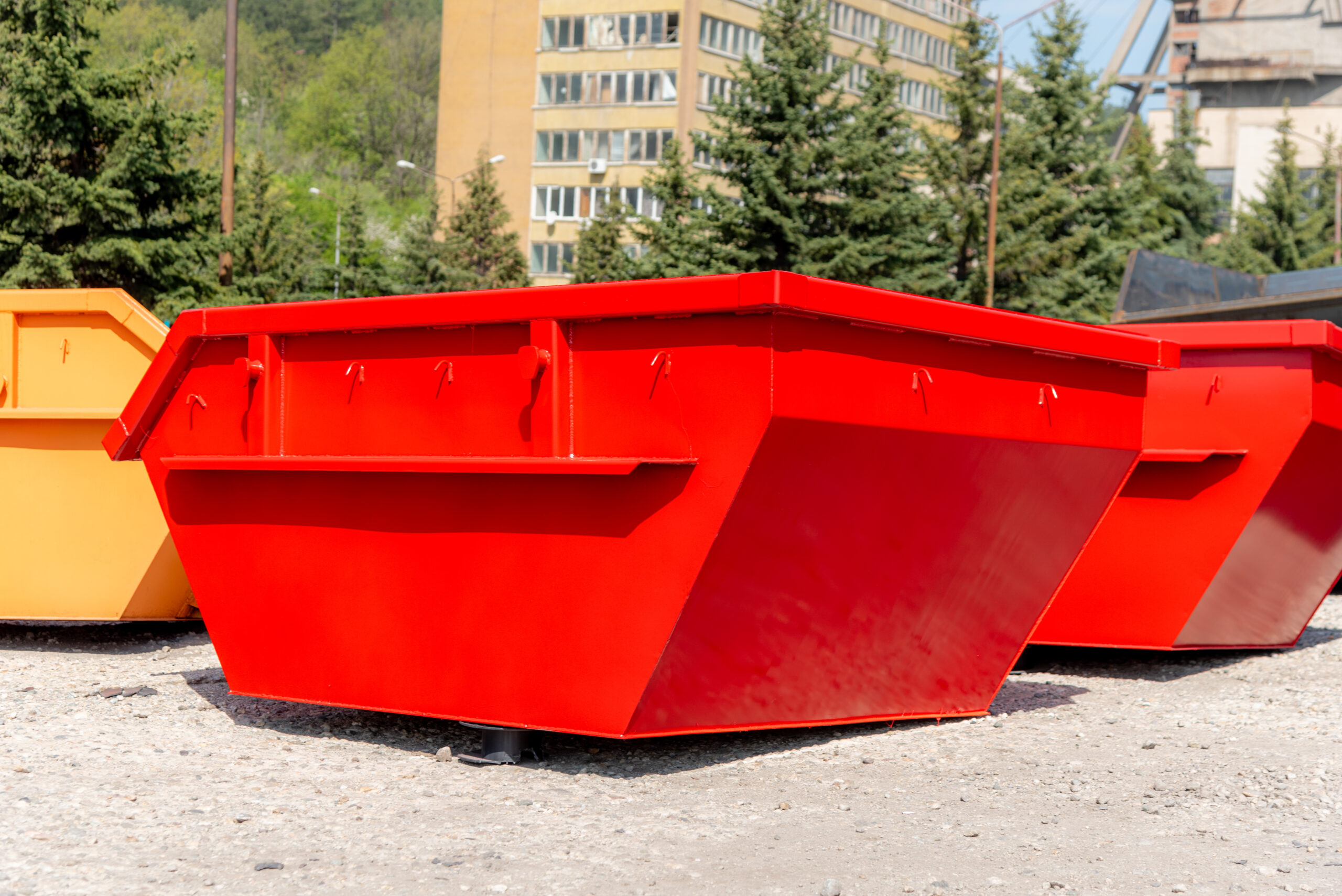
The capacity of construction waste containers is measured in cubic meters (cubes). Choosing the correct volume is the first and most important step to save yourself from duplicate trips.
4 cubic meters: Ideal for small renovations, bathroom updates, or a thorough cleanout of a basement and attic. It can mostly accommodate heavy materials such as bricks, concrete, and tiles.
6 cubic meters: The “golden mean.” This is the most commonly used option for renovations of medium-sized apartments. It works well for both heavy construction waste and mixed debris (old furniture, windows and doors).
7–8 cubic meters: Perfect for larger conversions, roof repairs, or larger but comparatively lighter waste (packaging, insulation, drywall, wood).
Over 10 cubic meters: These large containers are usually used for big construction projects, industrial spaces, or a full cleanout of large yards and buildings.
2. Loading and safety: The “flat surface” rule
One of the most common and dangerous practices is overloading the container. When ordering, you must consider not only the volume, but also the weight of the materials.
Heavy materials: Concrete, bricks, soil, and screed are extremely heavy. A 4- or 6-cubic-meter container filled all the way to the top with clean concrete can easily reach the maximum permissible truck weight.
Transport safety: Construction waste must never exceed the container’s upper edge. If the trash sticks out, the driver has every right to refuse transport because there is a serious risk of items falling onto the road.
Important: An overloaded container endangers the safety of site workers, pedestrians, and other road users.
3. Crane containers vs standard containers
Depending on the location and layout of your site, you need to choose the right container type:
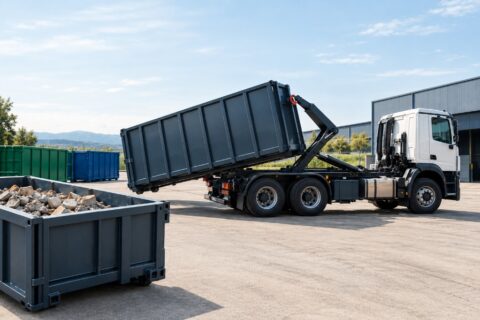
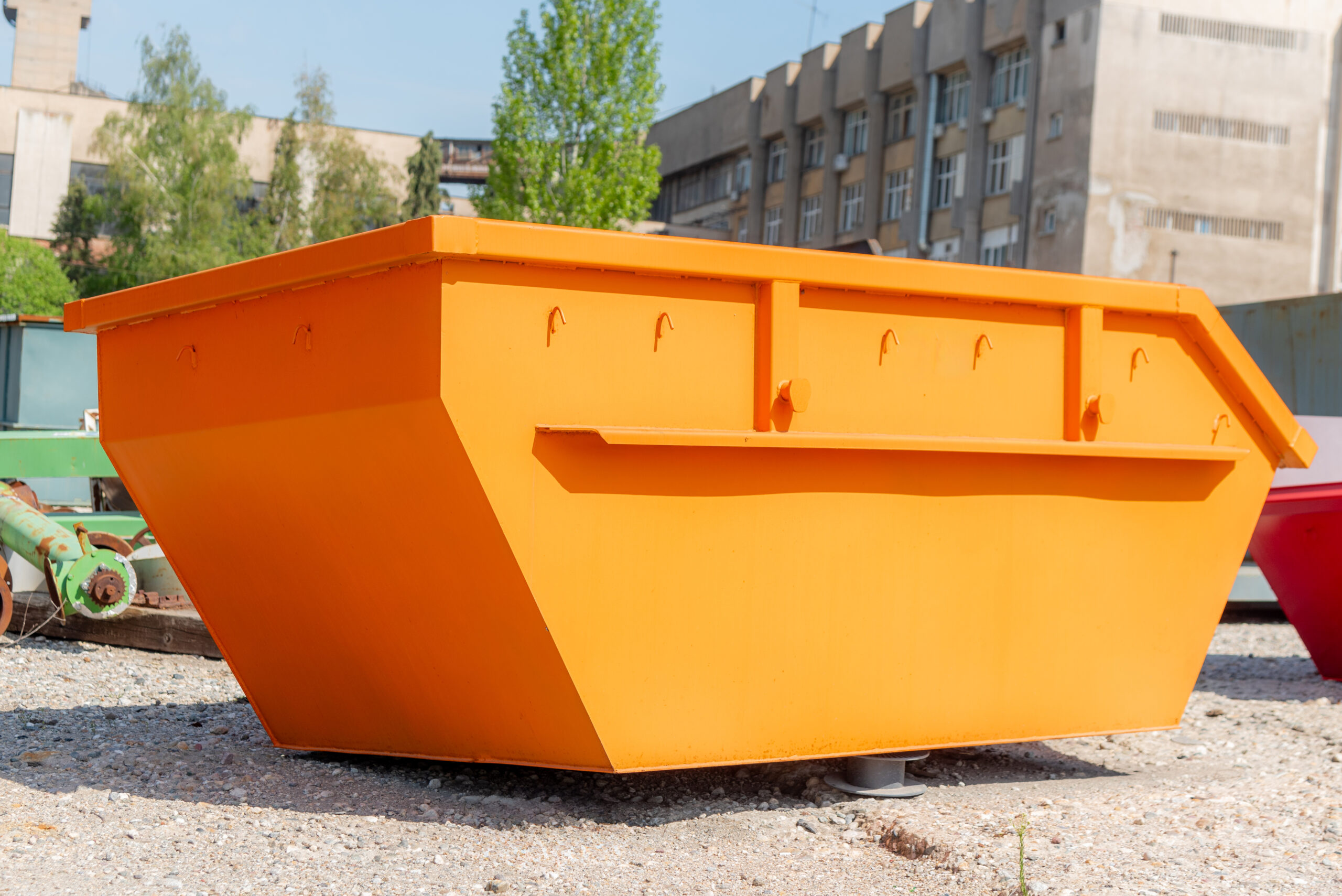
Standard container (hook-lift / tipper)
– How it works: It is lowered and lifted directly from the truck onto the ground using chains or hydraulics.
– Best for: Houses, low-rise buildings, and sites with easy street-level access.
– Main advantage: More economical, accessible, and widely used.
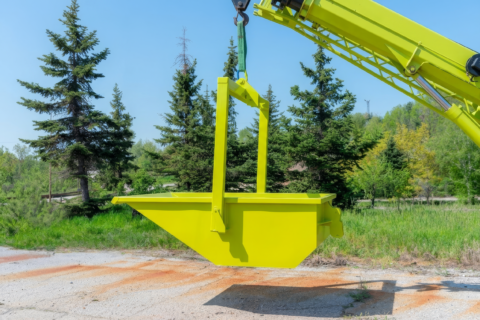
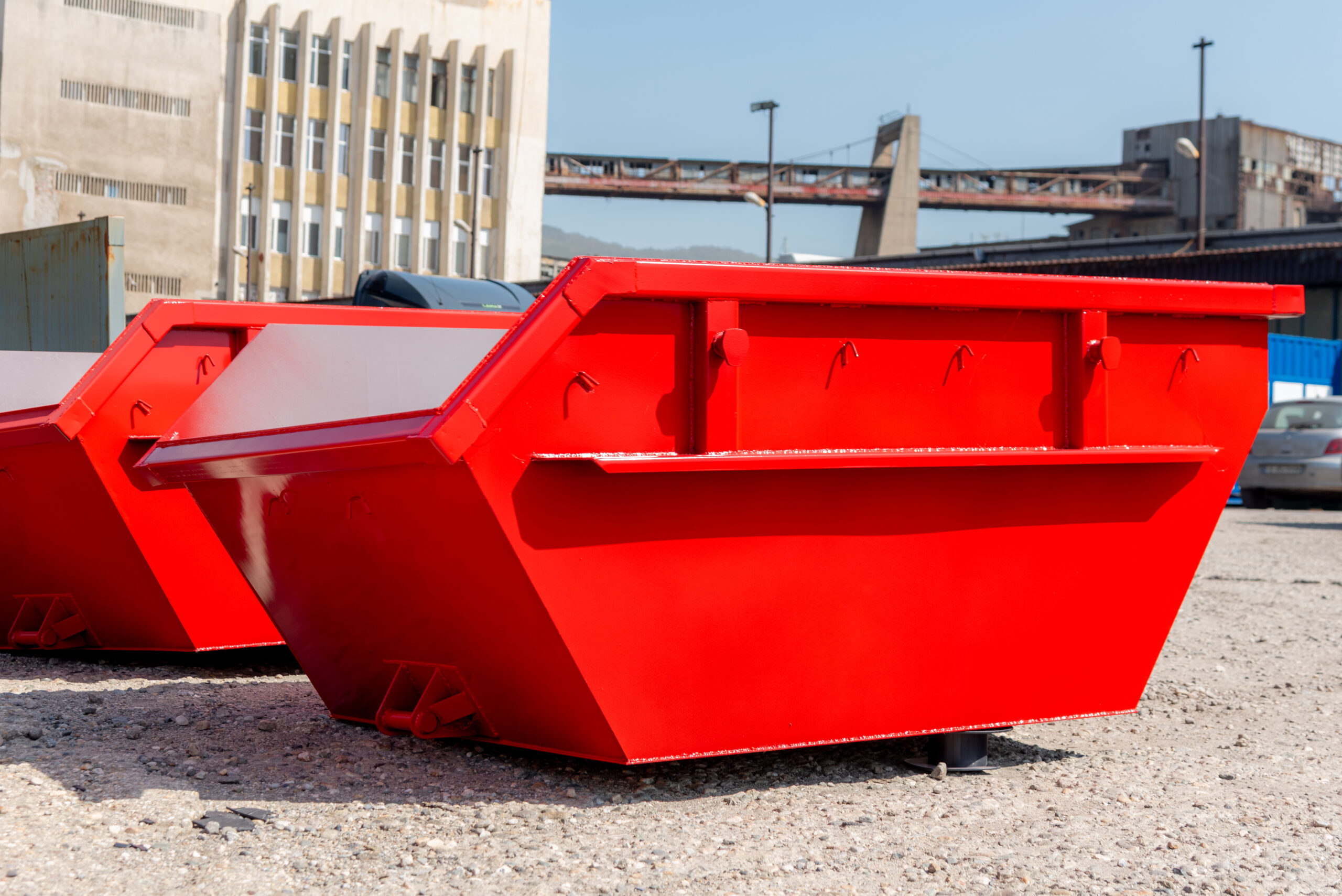
Crane container (with “lifting eyes”)
– How it works: Equipped with special hooks (“eyes”) and moved in the air with a construction crane.
– Best for: High-rise construction and sites that have no street space where the container needs to be placed onto a slab or terrace.
– Main advantage: It allows direct disposal from upper floors, which saves time and physical effort.
4. Common selection mistakes (and how to avoid them)
Mistake 1: Ordering a container that’s too small. Many people try to save money by choosing a smaller volume. In the end, you end up with more waste than expected, the container becomes overfilled, and you need a second order. This effectively doubles your transport costs.
Mistake 2: Mixing prohibited waste. In construction waste containers, it is absolutely forbidden to dispose of hazardous waste: asbestos, car tires, batteries, fluorescent lamps, paints, varnishes, and household waste. Mixing them can lead to huge landfill fines.
Mistake 3: Lack of a permit for placing the container on public sidewalk/land. If the container will be placed on municipal property (street, parking spot, or sidewalk), you must obtain a permit in advance from the local municipality. Otherwise, you risk a serious fine and forced relocation.
Mistake 4: Blocking access. Make sure the spot where the container will be placed is accessible for the large truck and does not block garages, driveways, or your neighbors’ passage.
Conclusion
Choosing the right container saves time, stress, and unexpected costs. Before you call to order, realistically estimate the volume of your waste, consult the provider about the weight of the materials, and ensure a legal and safe placement spot. Clean work always leads to better and faster results!