Welded or bolted metal structures – which solution is better?
Two of the most common ways to join metal elements have different advantages. How do you choose the right one for a specific project?
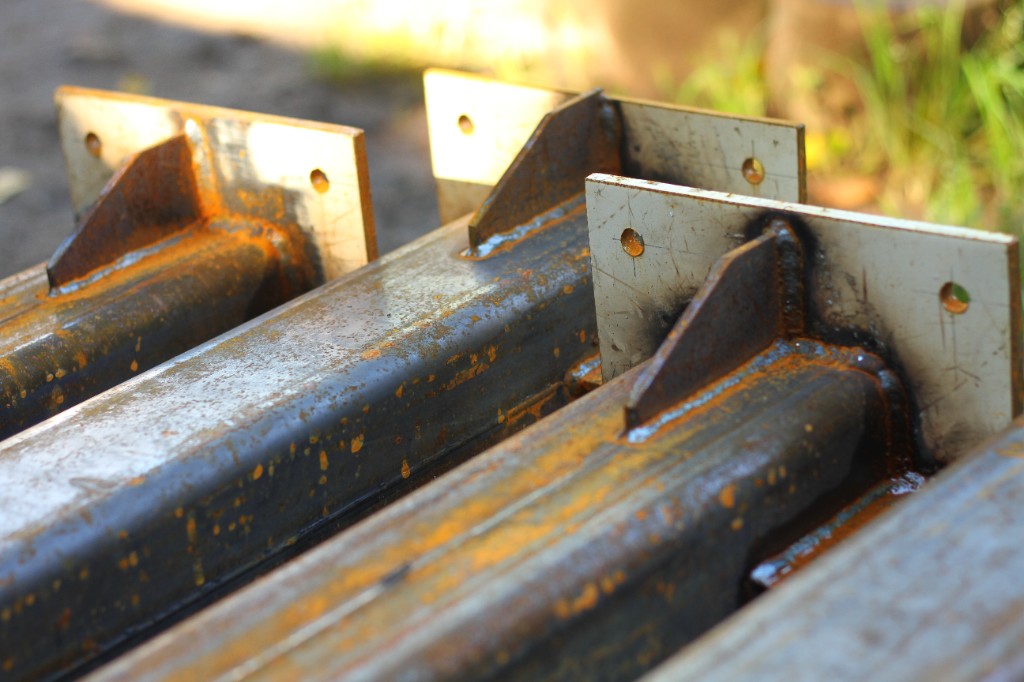
Metal structures are used in the construction of industrial halls, warehouses, production facilities, machines, and various engineering systems.
One of the important questions in their design is how the individual metal elements should be joined — by welding or with bolts?
At first glance the difference looks simple, but the choice affects installation, transport, maintenance, and future options for modification.
What are welded structures?
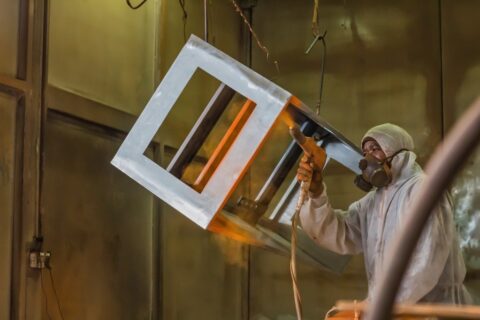
In welding, metal elements are joined through a technological process that creates a permanent connection between them.
This method is widely used in mechanical engineering, the manufacture of containers, metal frames, and industrial equipment.
Main advantages:
- Compact and strong joints are possible.
- A suitable solution for complex geometric shapes.
- Bolt holes are not required in every joined element.
- Continuous welds are possible when joint tightness is needed.
Main drawbacks:
- Qualified welders and quality control are required.
- Thermal deformation and residual stresses are possible.
- Disassembly and later changes are harder.
- Poor workmanship can lead to defects and problems under cyclic loading.
What are bolted structures?
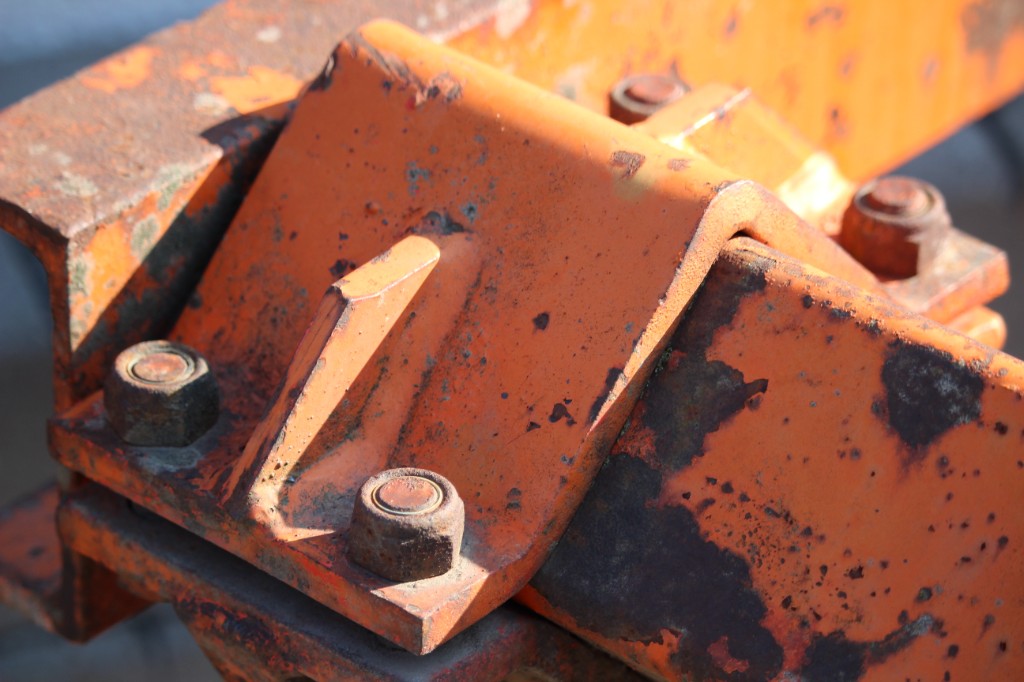
In bolted joints, metal elements are connected with bolts, nuts, and suitable connecting parts.
The technology is especially popular for large building structures that are transported as separate components and assembled on site.
Main advantages:
- Easier and often faster installation on the construction site.
- Disassembly and relocation are possible with a suitable design.
- Convenient transport of individual elements.
- Fewer welding operations on site.
Main drawbacks:
- Accurately made holes and connecting parts are required.
- Correct tightening and inspection are needed.
- Loosening can occur under certain vibration loads if the joint is not properly designed.
- Extra parts and potential corrosion points.
Which joint is stronger?
There is no universal winner.
A correctly designed welded joint can carry significant loads, and the same applies to high-strength bolted joints.
What decides it are the calculations, materials, geometry, quality of workmanship, and operating conditions.
For example, a large industrial hall often uses welded elements produced in a factory environment, which are then joined with bolts on the construction site.
When is each method more suitable?
| Application | Commonly used approach |
|---|---|
| Metal containers | Welded structures |
| Large industrial halls | Combined solutions |
| Demountable metal systems | Bolted joints |
| Machine frames | Welded or combined |
| Structures meant for future relocation | Bolted joints |
These are typical applications, not mandatory technical rules.
Why are combined structures used more often?
Modern engineering does not treat welding and bolted joints as competing technologies.
On the contrary — combining them makes it possible to produce stable factory modules and assemble them relatively easily on site.
That can optimise transport, installation work, and future maintenance.
At TETRAX, the choice of structural solution is driven by the product’s purpose, working loads, and the requirements of the specific project.
Because the best metal structure is not necessarily fully welded or fully bolted — it is the one correctly designed for its task.