Preventive Maintenance for a Concrete Silo
How to Avoid Costly Repairs and Extend Its Service Life
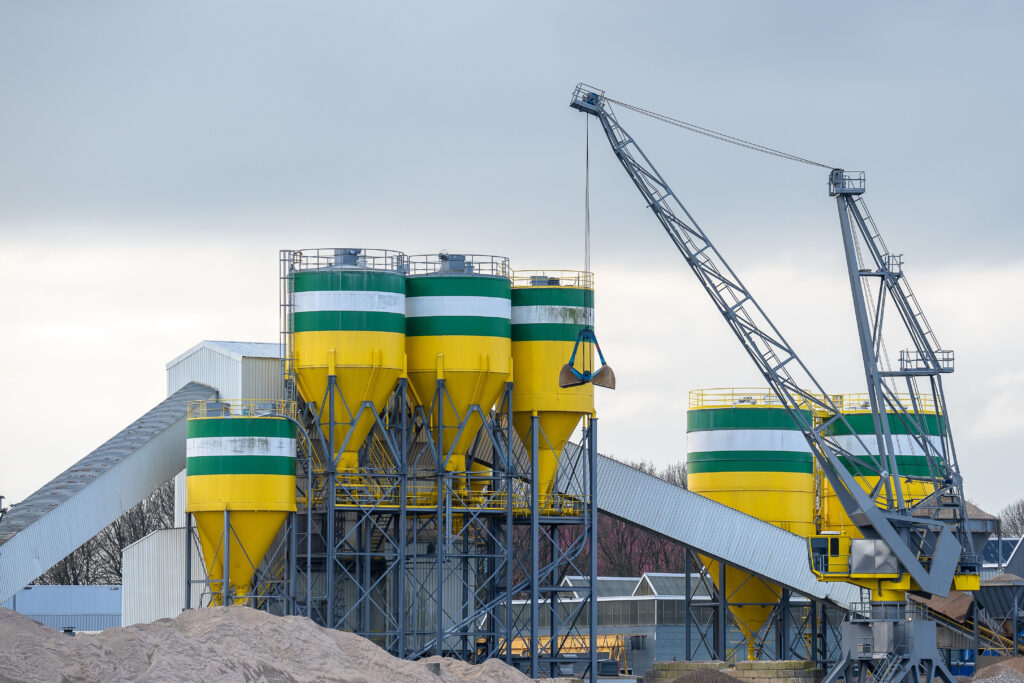
A concrete silo is a long-term investment that provides reliable storage for cement, lime, fly ash, and other dusty materials. Despite its strength, a lack of regular maintenance can lead to serious damage, unexpected costs, and sudden interruptions to your production and construction process. In this article, we’ll look at how proper preventive maintenance extends the service life of a concrete silo, how often technical inspections should be carried out, what the most common causes of damage are, and how to clean it safely.
Why preventive maintenance is so important
Many companies pay attention to the silo only after a serious problem occurs. However, this inevitably results in costly emergency repairs, prolonged production downtime, and a serious safety risk for staff. Regular preventive maintenance helps you:
- Extend the life of the facility.
- Prevent major structural damage.
- Significantly reduce costs for emergency repairs.
- Maintain the quality of the stored material (protection from moisture).
- Improve safety during everyday operation.
- Minimise unplanned stoppages of the work process.
Golden rule: Investing in preventive maintenance is always far less than the cost of repairing damage after an accident.
How to extend the life of a concrete silo
The length of service depends not only on the quality of construction, but also on proper care. Best practices include:
- Regular technical inspections: Even small cracks can gradually turn into a serious structural issue. Catching them early stops the destructive process in time.
- Moisture control: For materials like cement and lime, it’s essential to prevent moisture ingress. Moisture can cause hydration, hard deposits, and difficulties when discharging material.
- Inspecting metal components: Ladders, platforms, guardrails, anchors, and mounting parts should be checked regularly for corrosion and mechanical damage.
- Maintaining filtration systems: Clogged filters increase internal pressure during filling, which places heavy stress on the roof plate and equipment.
- Regular cleaning: Deposits on the walls reduce the silo’s useful volume and may slow down or completely block discharge.
How often should technical inspections be carried out?
The frequency depends on the workload and the type of stored material. As a general recommendation, follow this schedule:
| Type of inspection | Recommendation |
|---|---|
| Visual inspection | Perform regularly by maintenance staff during operation. |
| Inspect filters, valves, and safety devices | According to the manufacturer’s recommendations and the silo’s operating conditions. |
| Full technical inspection | Periodically by a qualified specialist, following the operating documentation. |
| Structural assessment | When defects are identified, after exceptional loads, or when a technical condition evaluation is required. |
Note: For intensive operation (for example in concrete units with daily loading), inspections should be more frequent.
The most common causes of damage and how to prevent them
1. Cracking of concrete
Causes: Sudden temperature differences, improper (uneven) loading, or natural ageing of the material. Prevention: Periodic inspections, timely sealing and waterproofing of small cracks, and avoiding overloading beyond the design capacity.
2. Blockage of the discharge system
Causes: Moisture ingress, deposits on the cone, and incorrect operation of the aeration system. Prevention: Load only dry material, clean regularly, and check the aeration nozzles at least monthly.
3. Corrosion of metal parts
Causes: Although the main structure is concrete, metal elements are exposed to aggressive weather conditions. Prevention: Apply high-quality anti-corrosion coatings, repaint periodically, and replace heavily worn components immediately.
4. Damaged filters
Causes: Wear and insufficient cleaning, which increases dust release and critically raises the pressure inside the silo. Prevention: Regularly replace filter elements according to the manufacturer’s instructions.
How to clean a concrete silo
Cleaning silos is a high-risk activity and must always be carried out by trained personnel, strictly following all safety requirements for work in confined spaces. The main steps include:
- Completely empty the silo by gravity.
- Turn off the power to all equipment and lock out the systems.
- Mechanically remove accumulated deposits and crusts from the walls.
- Perform a detailed check for internal cracks, wear, and damage.
- Clean or replace dust filters.
- Carry out a final technical inspection and testing before returning the silo to operation.
For strongly hardened deposits, specialised mechanical cleaning methods are used (for example, pneumatic or hydraulic impact/blasting systems). These remove the material without damaging the concrete structure.
Signs that a silo needs immediate inspection
Don’t postpone a technical inspection if you notice any of the following “symptoms”:
- Visible cracks or cracks that grow quickly on the silo body.
- Unusual vibrations and noises during filling or discharge.
- Difficult, uneven, or completely blocked discharge.
- Increased dust release from the roof or filters.
- Material leaks or visible moisture traces on the external walls.
- Severely corroded welds, anchors, or load-bearing details.
- Deformations on service platforms, columns, and railings.
Early response saves thousands of levs and ensures workplace safety.
Why choose Tetrax
At Tetrax, we design and build high-quality concrete silos fully tailored to the demanding requirements of today’s industry. In addition to design and production, we also provide expert consulting on proper operation, technical support, and extending the service life of each facility. Regular preventive maintenance is the safest way to protect your investment, avoid costly breakdowns, and keep full peace of mind throughout the production process.