
Construction waste is an inevitable part of every building site — concrete remnants, broken elements, packaging, surplus soil, and mixed fractions. Without a clear logistics process, it quickly fills work areas, delays schedules, and increases the risk of incidents.
Efficient construction waste management requires three things: the right container choice, safe lifting, and an organised logistics process. In this article, we look at how to optimise that cycle on your site.
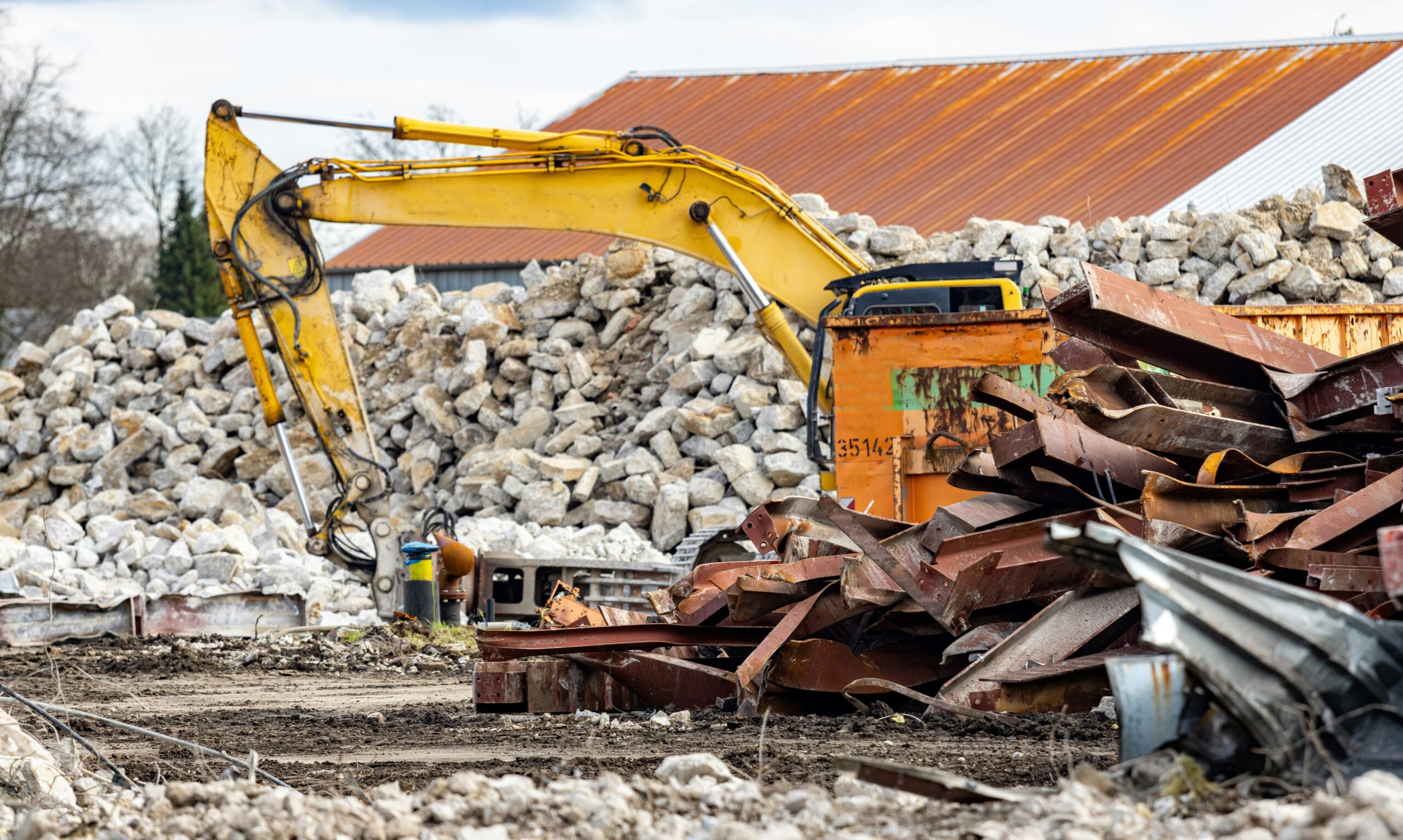
The main steps in transporting waste
Successful waste management goes through five key phases that must work in full sync:
- Collection on site: Waste is separated in designated areas or placed directly into a container, depending on the material type.
- Temporary storage: The container is positioned where crane or other lifting equipment can access it easily.
- Transport: The full container is lifted, locked, and moved safely to a recycling yard or specialised disposal site.
- Unloading: Contents are discharged in a controlled way through an automatic release mechanism or by tipping the container.
- Return to site: The empty container is brought back into position and the cycle repeats without unnecessary delay.
Which container does your site need?
Choosing the right equipment determines how fast work moves. For construction waste, crane containers are the most common choice. Depending on shape and material characteristics, they fall into two main groups:
| Container type | When is it the best fit? | Key advantage |
|---|---|---|
| Round models | When working with sludge, wet fractions, and materials that stick easily to the walls. | The shape prevents waste from catching in corners. |
| Rectangular models | Preferred for mixed waste with larger volume and dimensions. | Maximum space efficiency and high capacity. |
Important when choosing: Robust construction, double locking during lifting, and the ability to unload quickly without extra personnel on the ground always remain critical factors.
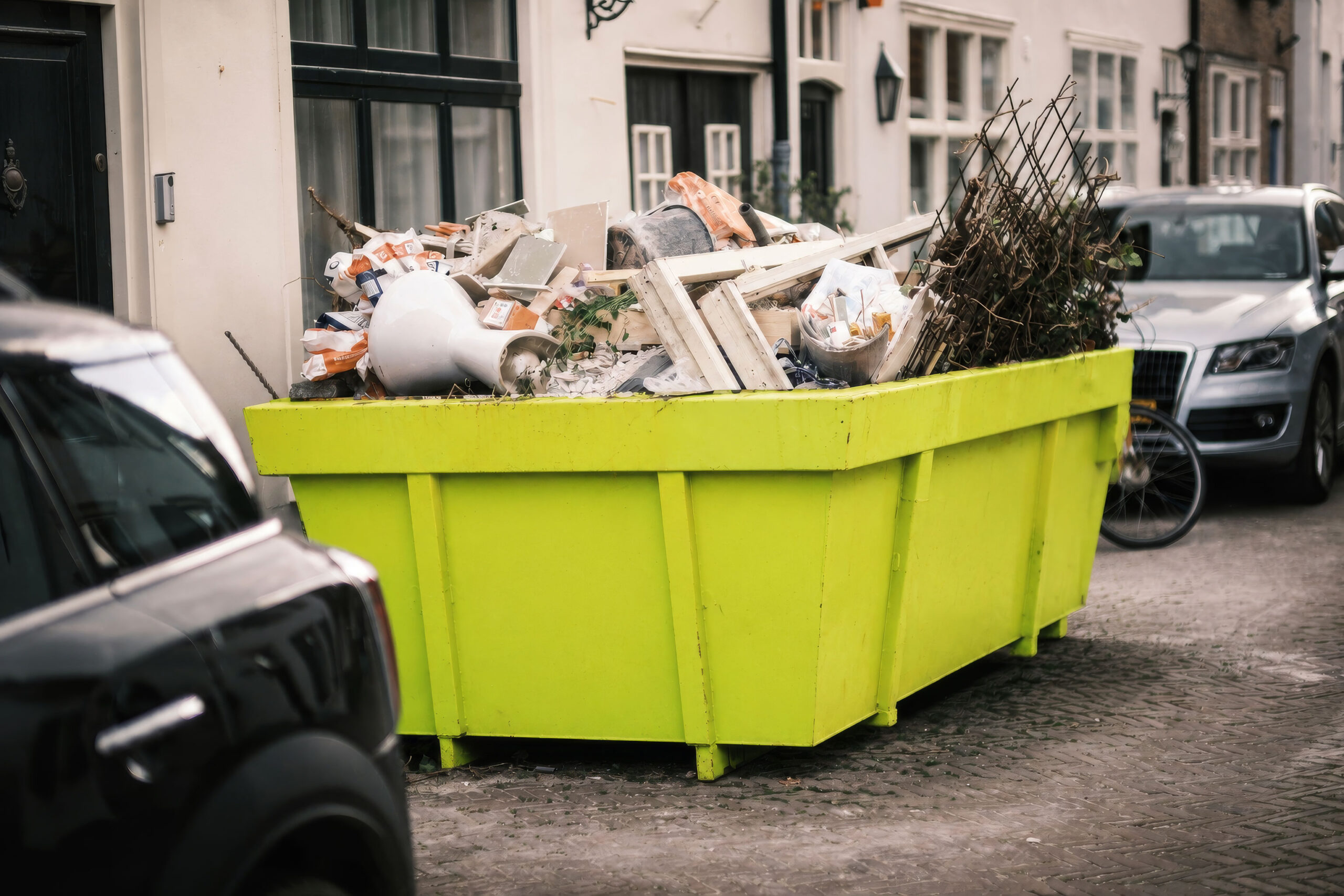
Safety and on-site organisation
Heavy-load logistics demands uncompromising discipline. Before every lift, a quick inspection is mandatory:
- Check the condition of lifting points and the locking mechanism.
- Confirm load balance — the container must never be overloaded beyond its rated capacity.
- Mark clear routes for equipment movement.
- Set up safe zones where personnel have no access during unloading and manoeuvring.
What does a well-organised process deliver for the business?
When collection and removal are planned properly from the start of the project, the benefits for the construction company are immediate:
- A clean and organised site, which reduces the risk of workplace accidents.
- Higher efficiency — crews do not lose time clearing and moving debris.
- Optimised logistics and transport costs.
The right container — with suitable volume and a reliable unloading mechanism — is not just an expense, but an investment that boosts productivity and pays for itself within the first few weeks of operation.